
How Vineyard Management Shapes Wine Quality on California’s Central Coast
By Wes Hagen | Vineyard Consulting, Sta. Rita Hills & Santa Maria Valley
The Rhythm of the Central Coast
August in Santa Barbara County brings a hum of anticipation. The vines tighten their clusters, sugar levels rise, and the scent of harvest begins to drift across the hillsides. For seasoned viticulturists, this is the moment where a year’s worth of vineyard management decisions come full circle.
In the Sta. Rita Hills and Santa Maria Valley, timing is everything. The Pinot Blanc and Pinot Grigio usually ripen by late August, followed by Pinot Noir in early September. Some producers prefer early picking for higher acidity and freshness; others wait for riper, more structured fruit. Understanding when to pick—and why—is one of the most critical insights a vineyard consultant can offer.
Having spent over 20 years managing Clos Pepe Vineyards, I’ve learned that great wine quality begins months before harvest. Everything from canopy density to soil moisture affects how flavor and texture develop. That’s the true art of vineyard management guidance—seeing how the details shape the story inside every bottle.
From Leaf to Cluster: The Science of Balance
Across every vineyard I’ve ever worked, one principle always holds true: balance.
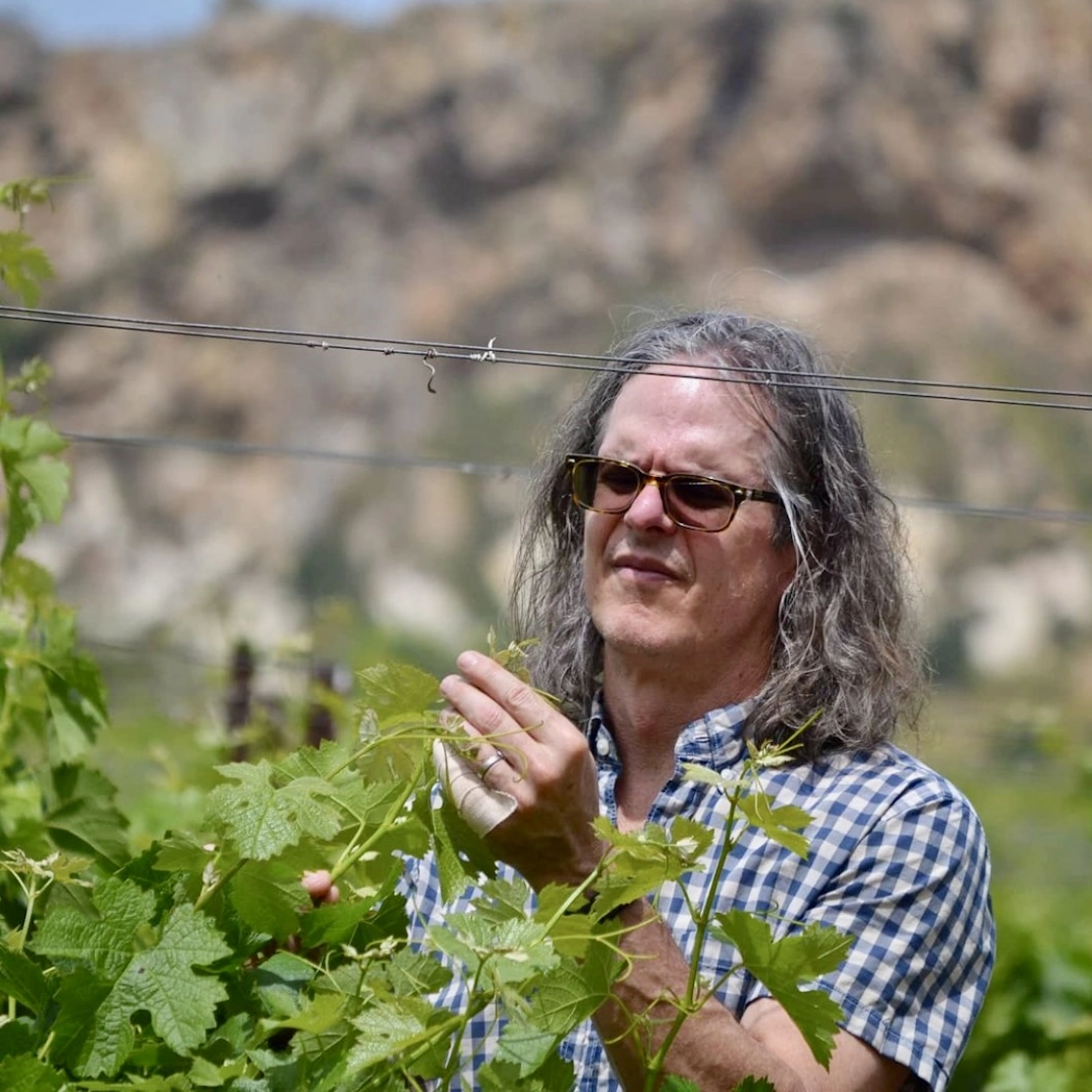
A vine needs the right number of leaves to ripen its fruit effectively. The benchmark is about 12 leaves per cluster—enough to power photosynthesis without shading the grapes or creating mildew risk. When that balance is right, the results are unmistakable: even ripening, vibrant aromatics, and wines that express their site authentically.
On the Central Coast, where cool nights and foggy mornings slow the ripening process, canopy management is especially important. Too much leaf removal exposes clusters to sunburn. Too little, and you risk green, vegetal flavors. Thoughtful leafing, irrigation timing, and crop thinning allow the vines to find equilibrium—and that’s when terroir truly shines through.
Sustainable Wine Farming Practices
Today’s best vineyards take a holistic view. Sustainable wine farming practices don’t just protect the environment; they directly influence wine quality. Healthy soils foster stronger vines that resist stress and disease naturally, reducing the need for chemical intervention.
Sustainability in vineyard management means:
- Promoting biodiversity through cover crops and habitat conservation
- Using drip irrigation efficiently to reduce water waste
- Encouraging beneficial insects instead of broad-spectrum sprays
- Composting pomace and cuttings to restore organic matter
Each of these practices improves soil structure, moderates vine vigor, and results in fruit that better reflects its origin. It’s an investment not just in the land, but in the purity and identity of the wine itself.
The Role of a Vineyard Planning Consultant
Whether you’re starting a new vineyard or refining an established one, working with an experienced vineyard planning consultant can dramatically accelerate success. Vineyard design isn’t just about rows and trellises—it’s about aligning every element with the intended wine style and business goals.
Key planning areas include:
Selecting rootstocks and clones suited to your soil and climate
Designing efficient drainage and irrigation systems
Creating canopy and training structures optimized for airflow and light
Forecasting long-term maintenance and replanting schedules
A well-designed vineyard can produce consistent, high-quality fruit for decades. Poorly planned vineyards, by contrast, often require costly rework within a few years. Good planning pays for itself in every future harvest.
The Role of a Vineyard Planning Consultant
California’s Central Coast is one of the most diverse and dynamic wine regions in the world. From the marine-cooled valleys of Santa Maria to the sunlit hills near Paso Robles, no two vineyards are identical. As climate conditions shift and water scarcity grows, the importance of precise, sustainable management has never been greater.
That’s why I focus on combining scientific observation with practical experience. Every recommendation is grounded in data, yet guided by intuition born from decades in the vineyard. The goal is always the same: to help growers produce wines that truly reflect their land while maintaining long-term vineyard health.
Sustainable Practices That Shape the Future
Visit Wes Hagen Vineyard Consulting to learn more about how customized vineyard planning, sustainable practices, and data-informed management can elevate your next vintage.
Because in the end, the quality of every wine begins where it always has—among the vines.